

TRANSLATION
E X C A V A T I N G
E A C H L A Y E R
monologues
The typical audition for stage actors lasts three minutes: 16 bars of a song, and a short monologue. Depending on the play, actors select either a contemporary monologue or a classical one—almost always from Shakespeare. Yet plays from antiquity are loaded with classical monologues too. The problem is they’re usually translated by, well, stodgy scholars with little regard for modern actors. Which is where Deme Creative Arts swoops in.
him
Demetra has been translating classical monologues since 2013. She selects dialogue spoken by women, which led her to Euripides. Of his 90+ plays, less than 20 survive. Euripides wrote from the female perspective, an approach not exactly embraced by other ancient Greek playwrights. He portrayed powerhouse characters: Hecuba, Clytemnestra, Phaedra, Medea. Their distrust, passion, and rage are palpable, regardless the style used to translate their monologues.


literal
Scholars adhere to a strict translation of ancient drama. This style, called literal translation, is arguably more accurate, yet less accessible to modern ears. The legendary Octavio Paz described literal translation as “a string of words,” a mere “glossary rather than a translation.” This word-for-word breakdown of a source text just doesn’t speak to contemporary audiences. Somehow, the grammar and syntax of the original work must be simultaneously translated and transformed.
literary
Literary translation, alternatively, captures the intent and feeling of the original text. It stays “loyal to the spirit, not the letter,” as the lyrical Willis Barnstone explained. This literary style infuses the aesthetics of creative writing into a character’s dialogue, all while remaining devoted to the emotional truth of each character and the integrity of each scene. Despite our best attempts, translation is riddled with the translator’s doubt, awkward phrases, and unfamiliar expressions.
Take, for example, an expression in many of Euripides’s plays: “to tug at your beard.” Weird, right? Within the historical context, however, we learn it is actually an affectionate gesture where kids lovingly grab their dad’s facial hair. Still weird? Not to anyone with toddlers.
Even monologues translated in the more comprehensible literary style require in-depth study and historical awareness on the actor’s part; they must read the entire play, identify their character’s objectives, and not only make sense of but believe in every line of dialogue, whether awkward or not.


Let’s demo a translation of lines 1146–47 from the play Iphigenia in Aulis, spoken by Clytemnestra:
ancient
ἄκουε δή νυν: ἀνακαλύψω γὰρ λόγους,
κοὐκέτι παρῳδοῖς χρησόμεσθ᾽ αἰνίγμασιν.
literal
Listen binding now: I uncover speech,
no longer will I proclaim hinting obscurely.
literary
“Now listen. I will speak plainly.
No more hints or riddles.”
Now let’s translate just one line, 1392, spoken by the title character:
ancient
εἰ βεβούληται δὲ σῶμα τοὐμὸν Ἄρτεμις λαβεῖν
literal
wish / but / body / my / Artemis / receive
literary
“Artemis wishes to receive my body.”
Hold on. So in the play, Iphigenia learns that instead of marrying Achilles, she’s actually getting slaughtered at an altar dedicated to goddess Artemis so daddy can sail his ships to Troy. As a literary translator attempting to capture the spirit of both vengeful Artemis and young Iphigenia, “wishes to receive” sounds much too gentle. Let’s replace it with a more powerful verb:
“Artemis demands my body.”


Δ
will we relate?
Slaughter. Revenge. Sacrifice. These are dark themes. Whether translated literally or literarily, whether spoken by the most skilled and studious actor, will these classical monologues be comprehensible to a modern audience? How can we justify the actions of these ancient characters? How can we fathom their grief and anger?
Deme Creative Arts wants to unearth these answers. In 2026, nearly 2,500 years after Euripides etched his tragedies onto papyrus, Demetra is seeking actors of any age and gender to perform her translated monologues. If this project speaks to you, then voice your desire here.

let’s excavate antiquity
DEME CREATIVE ARTS
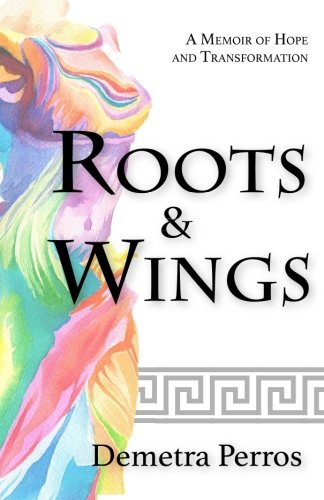
by Demetra Perros Rivard, a Greek American author, actor, and advocate who uses theatre to spread awareness about mental health
Contact
demecreativearts@gmail.com
© 2012–2026.
Deme Creative Arts.
All rights reserved.
© Photo Credits: Meadowlark Images.
Sally Rappold. Magdalen Powers.
Litsa Productions International.